

 English


Creating Different Types of Perfume Concentration
Creating Different Types of Perfume Concentration
The concentration of fragrance plays a crucial role in determining the strength and longevity of a perfume.
At CW' LAB, we introduce perfume-making techniques using various fragrance concentrations,
allowing you to build a strong foundation in fragrance creation.
Select the strength, longevity, and complexity of the scent according to your personal preferences and circumstances,
and experience how to create your own unique perfume using different fragrance concentrations.
01
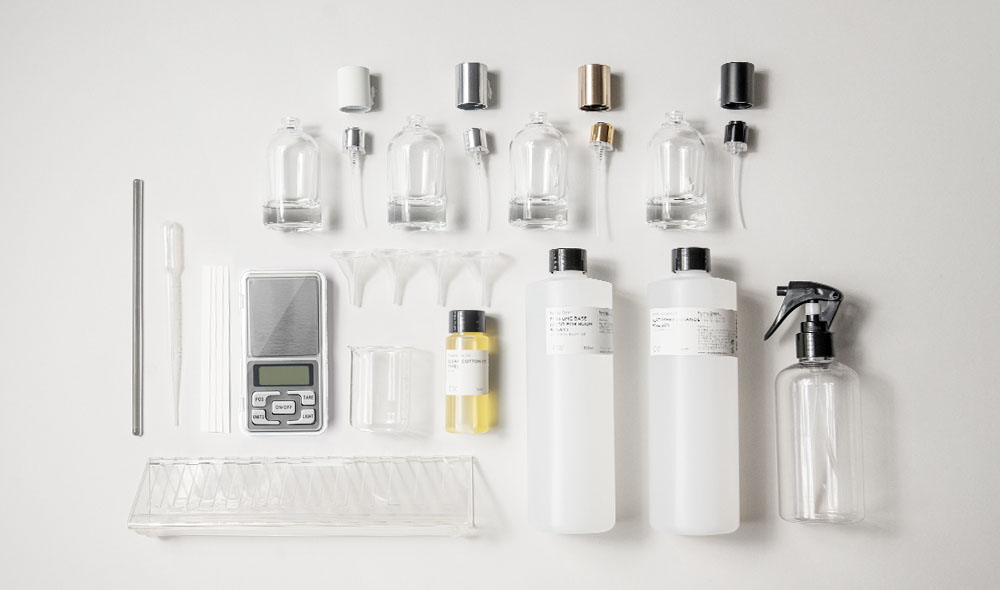
Preparing the Materials
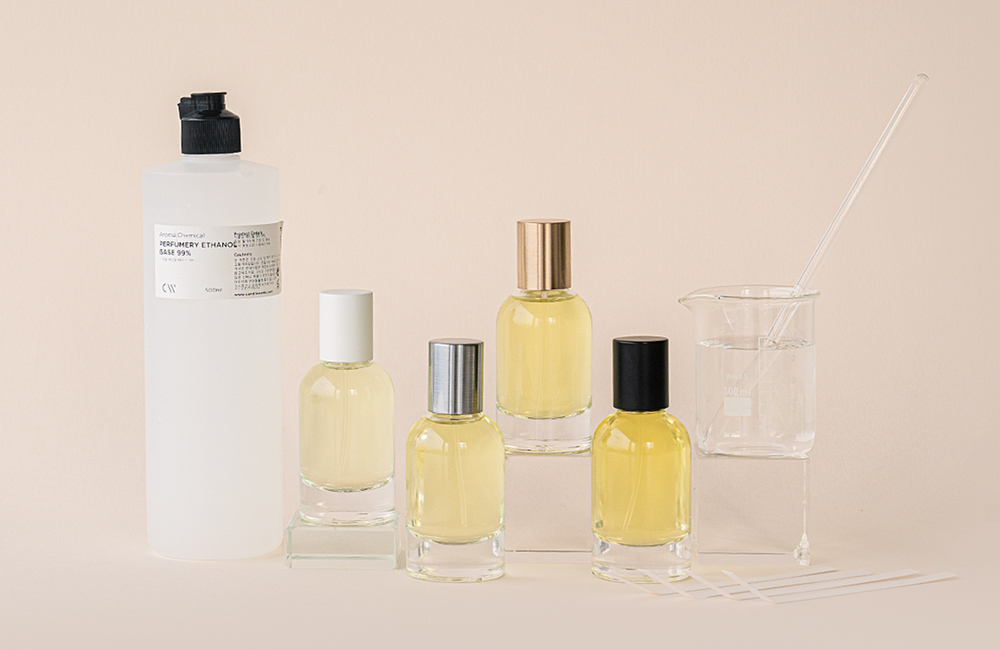
Perfume Base (Also for Room Spray), Clean Cotton Fragrance Oil, LE BLANC 50, Glass Beaker 50ml,
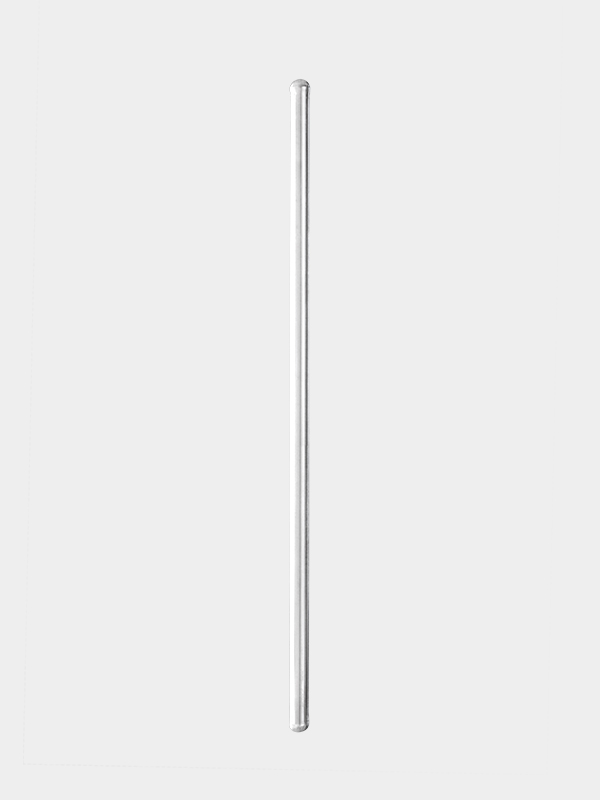
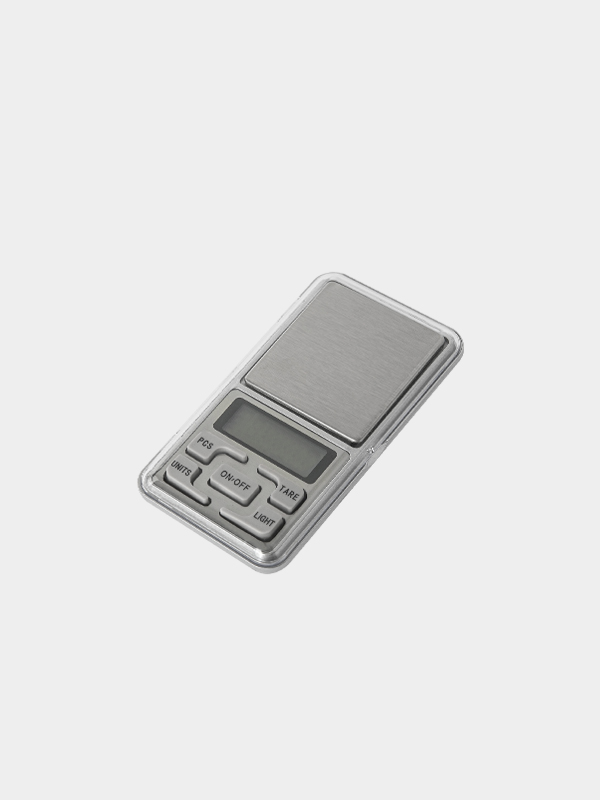
Mini Funnel, Glass Rod, Mini Perfumery Electronic Scale 0.01g/500g, Fragrance Blotter Strips 7mm x 13cm,
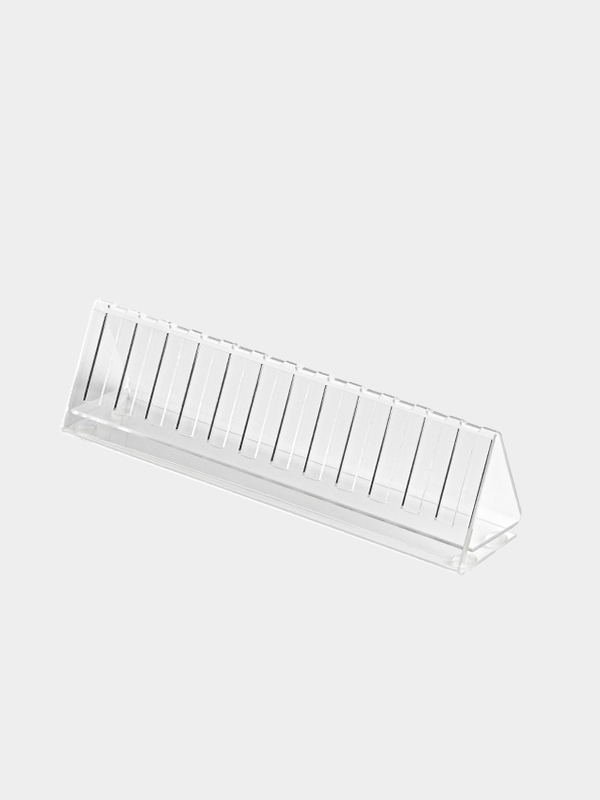
Acrylic Blotter Rack, Disposible Plastic Pipettes 3ml, Perfume Bottle Capping Machine 4-in-1,
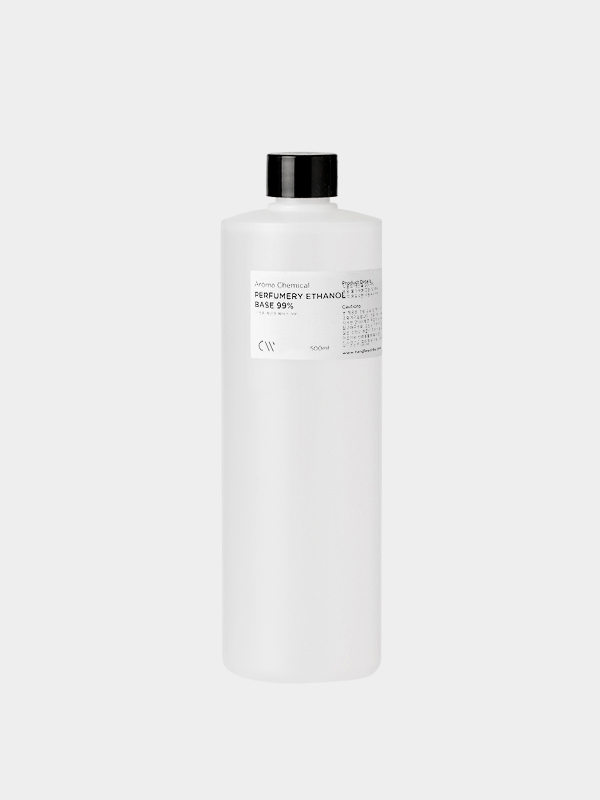
Perfumery Ethanol Base 99%, Black Mini Gun Spray 250ml
02
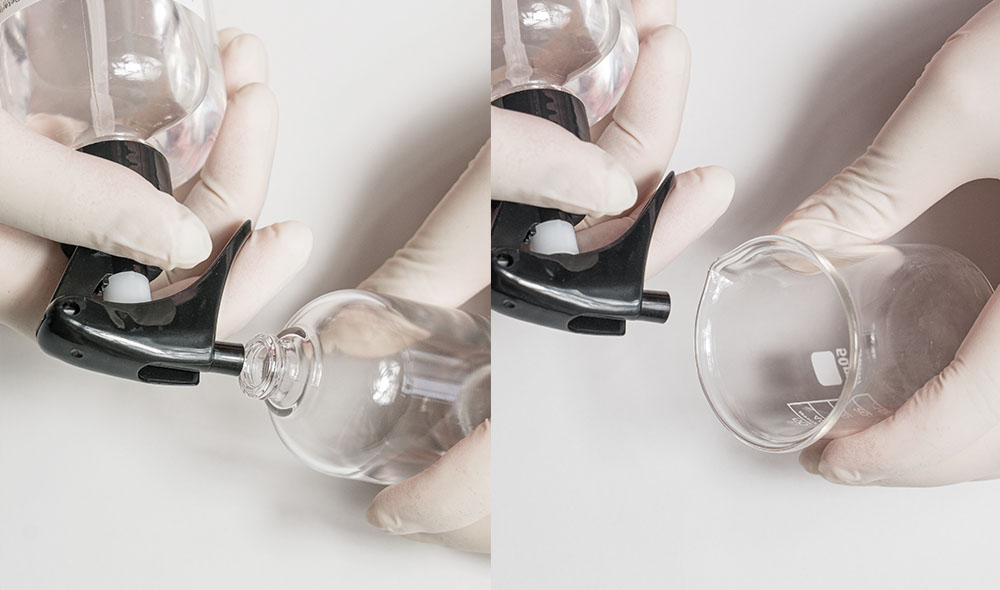
Sanitize
Before making the perfume, gently clean the glass beaker and the perfume bottle to remove any fine impurities using a 99% ethanol base for fragrance blending. For convenient spraying, transfer the perfume into a black mini spray bottle.* Perfume bases and fragrance oils have different specific gravities of water (the relative ratio to the density of the substance they are based on), which means that when converted to the unit of weight, grams, they differ from ml.
We recommend using beaker ml measurements to accurately measure into containers.
03
Making Eau de Cologne Perfume
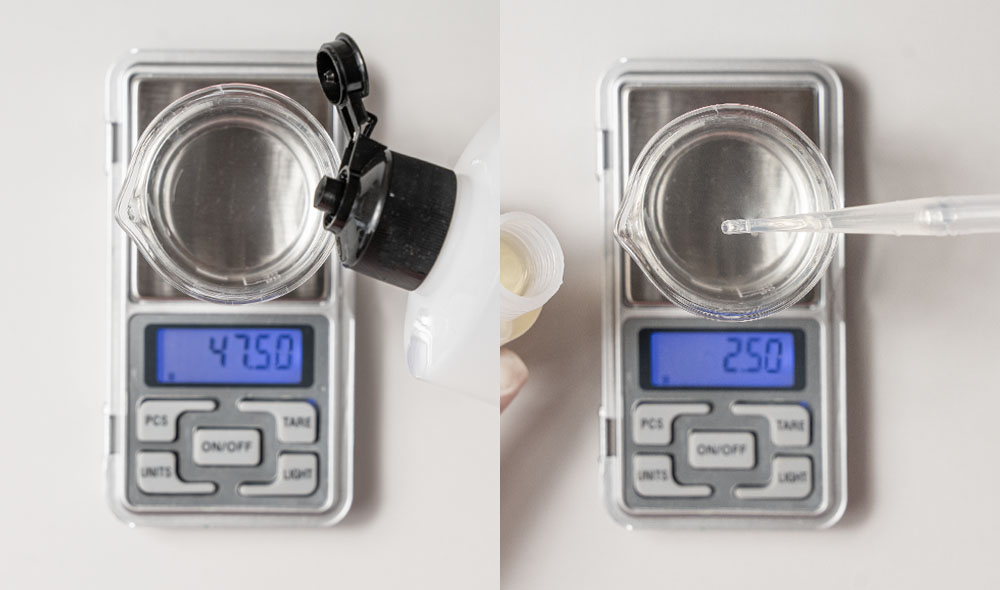
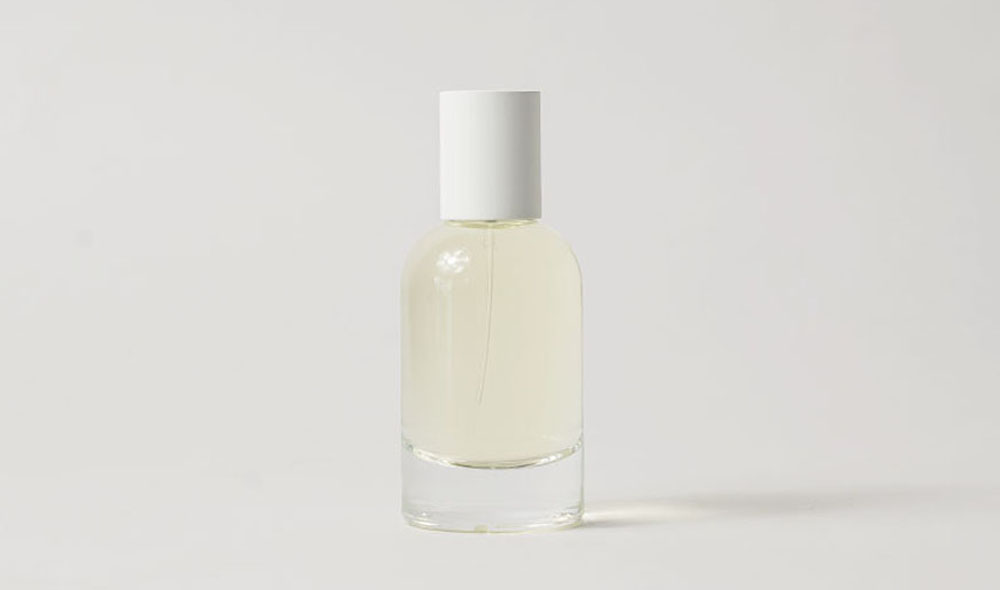
Fragrance Concentration: 2-5% | Perfume Base: 49 ~ 47.5g | Fragrance Oils: 1 ~ 2.5gIn the photo, the perfume was made with a fragrance concentration of 5% based on a 50ml perfume bottle.
(Perfume base: 47.5g, Clean Cotton fragrance oil: 2.5g)
'Eau de Cologne' is a term that originated in the 18th century in the Cologne region of Germany,
where it was derived from a fragrant water made with lemon, bergamot, neroli, and other ingredients.
Traditionally known as a "men's" fragrance, it is now widely used by people of all genders who prefer a light scent.
Eau de Cologne is typically created with a fragrance concentration of 2-5%,
making it one of the lowest concentration perfumes.
It primarily consists of fresh and light citrus scents, making it suitable for summer or when a refreshing feel is desired.
Due to its low fragrance oil ratio, its longevity is usually short, lasting about 2-3 hours, so it is recommended to reapply it throughout the day.
04
Making Eau de Toilette Perfume
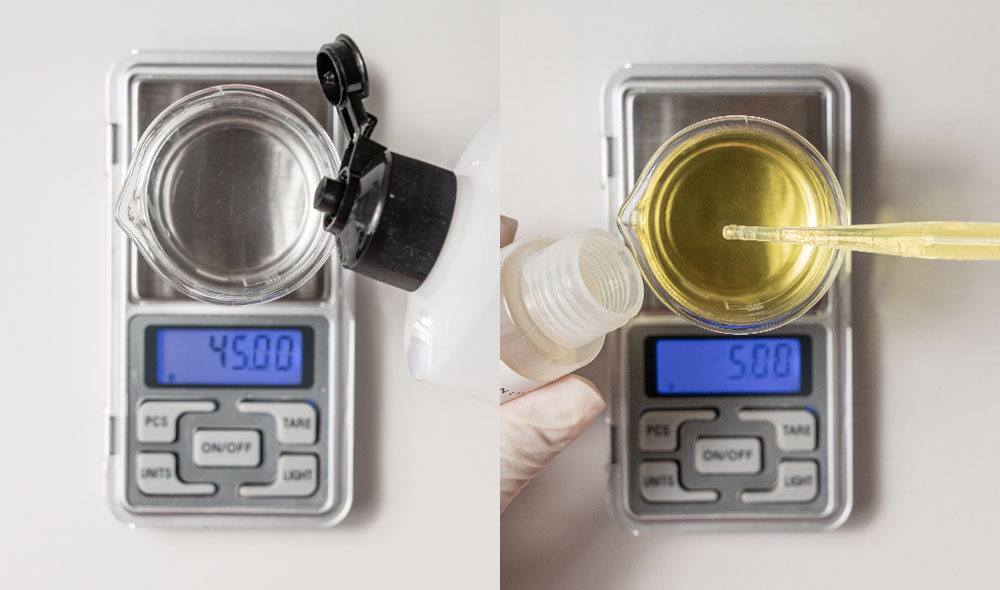
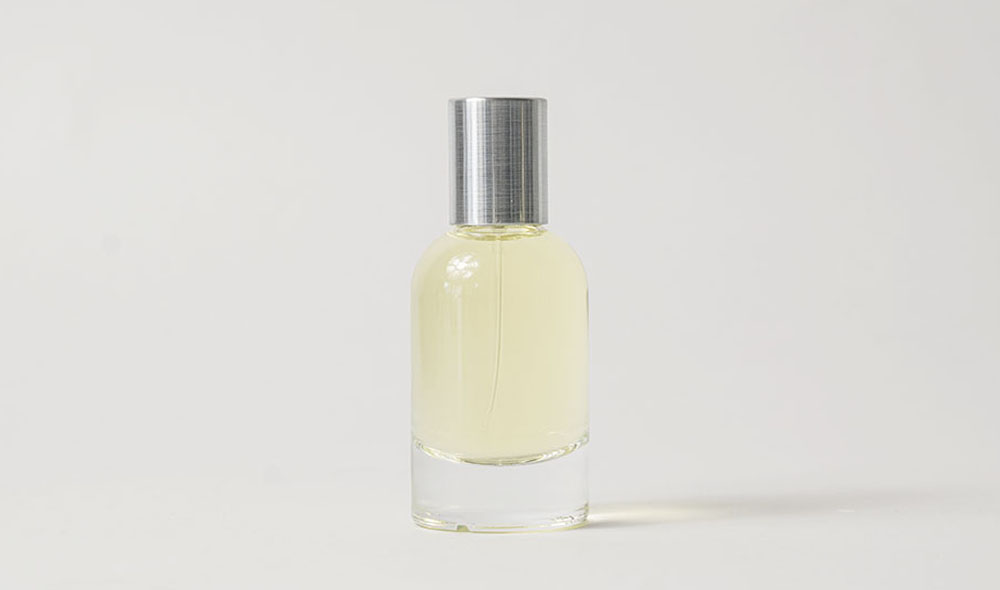
Fragrance Concentration: 4-10% | Perfume Base: 45 ~ 48g | Fragrance Oils: 2 ~ 5gIn the photo, the perfume was made with a fragrance concentration of 10% based on a 50ml perfume bottle.
(Perfume base: 45g, Clean Cotton fragrance oil: 5g)
The term "toilette" comes from the French word meaning "bathroom" or "washbasin," and it originates from the early use of perfumes. In the mid-18th century, perfumes were used not only for cosmetic purposes but also for grooming and maintaining cleanliness. Over time, it evolved into a distinct category of fragrance. Eau de Toilette is typically made with a fragrance concentration of 4-10%, making it the second-lowest concentration among perfume types.
It is primarily created with light notes of citrus, herbs, and florals, making it ideal for those who prefer a soft, subtle scent.
The longevity of Eau de Toilette is generally around 3-4 hours, offering a balanced duration between Eau de Cologne and Eau de Parfum, making it a great option for daily wear.
05
Making Eau de Parfum Perfume
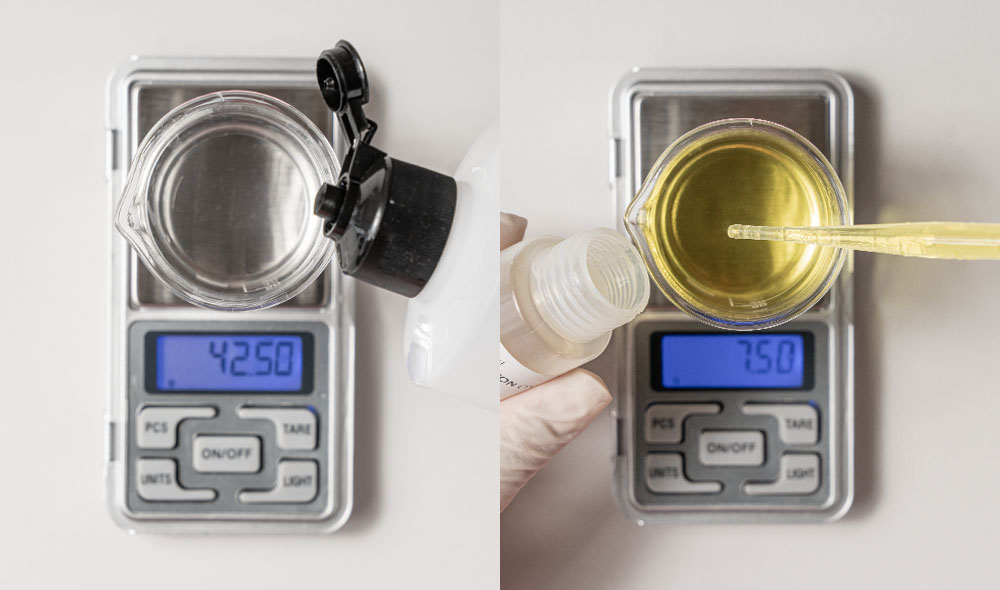
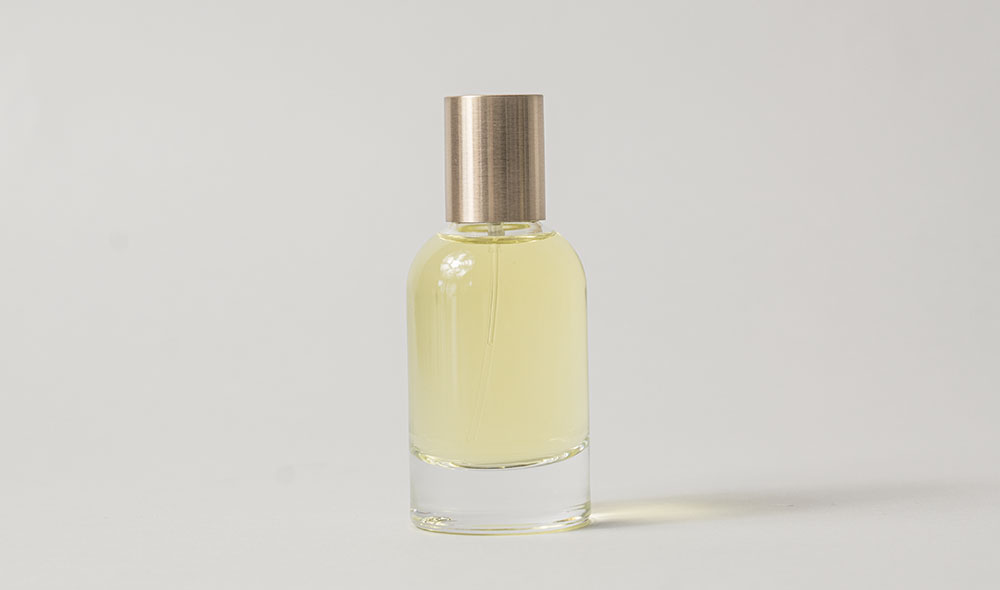
Fragrance Concentration: 8-15% | Perfume Base: 42.5 ~ 46g | Fragrance Oils: 4 ~ 7.5gIn the photo, the perfume was made with a fragrance concentration of 15% based on a 50ml perfume bottle.
(Perfume base: 42.5g, Clean Cotton fragrance oil: 7.5g)
Eau de Parfum gained popularity in the mid-19th century with the advancement of the perfume industry, as strong and long-lasting fragrances became favored, particularly among the upper class.
Today, Eau de Parfum is a medium-concentration perfume that is suitable for various situations. Known for its rich, layered scent, it is a favorite among those who enjoy complex fragrances and is commonly referred to by the acronym EDP.
Eau de Parfum typically has a fragrance concentration of 8-15%, offering a rich and intense scent with long-lasting durability. By blending various fragrance notes, it provides a complex and rich fragrance experience.
06
Making Extra Parfum Perfume
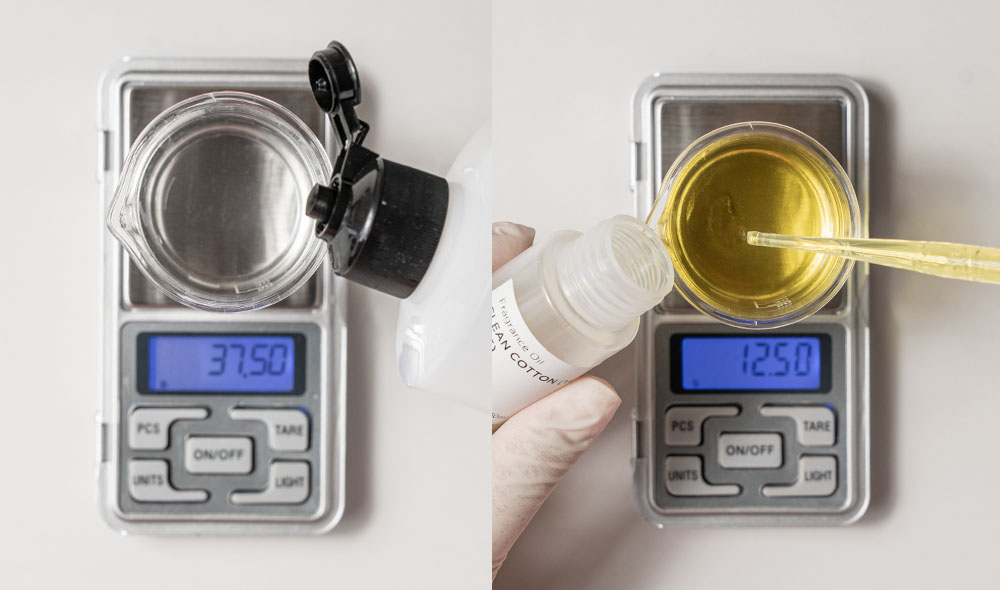
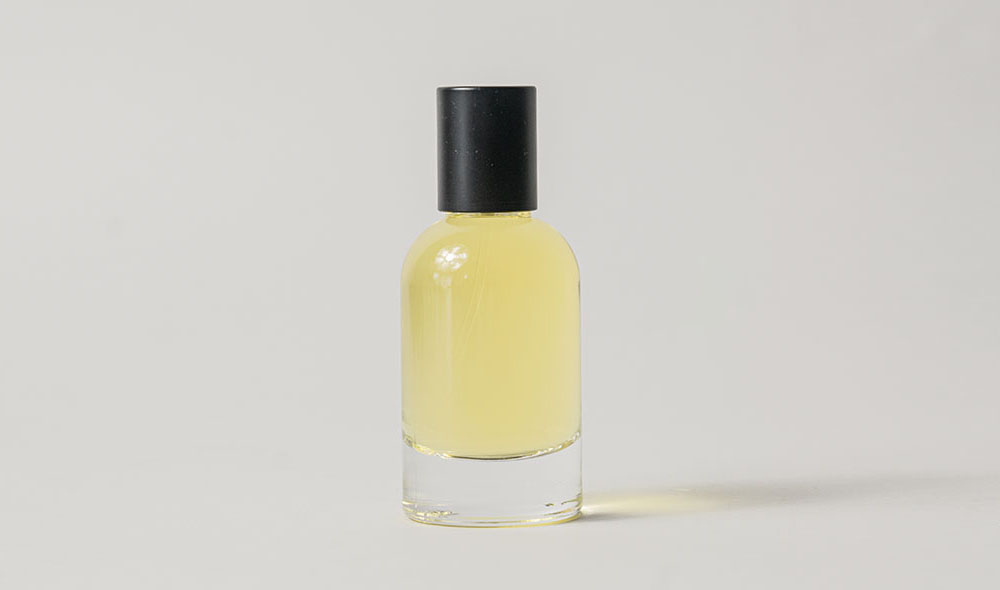
Fragrance Concentration: 15-30% | Perfume Base: 35 ~ 42.5g | Fragrance Oils: 7.5 ~ 15gIn the photo, the perfume was made with a fragrance concentration of 25% based on a 50ml perfume bottle.(Perfume base: 37.5g, Clean Cotton fragrance oil: 12.5g)
Extra Parfum emerged in the late 17th and early 18th centuries when perfume manufacturers began increasing the concentration and longevity of perfumes, targeting royalty and the aristocracy.
Today, Extra Parfum is recognized as a premium fragrance and is often referred to as the "liquid jewel" due to its luxurious image.
Extra Parfum typically has a fragrance concentration of 15-30%, making it the most intense among perfumes, with a lasting scent duration of 5-7 hours. With a higher concentration of fragrance oils, it combines multiple scents that blend harmoniously, allowing for a deep and rich fragrance experience.
07
Mix
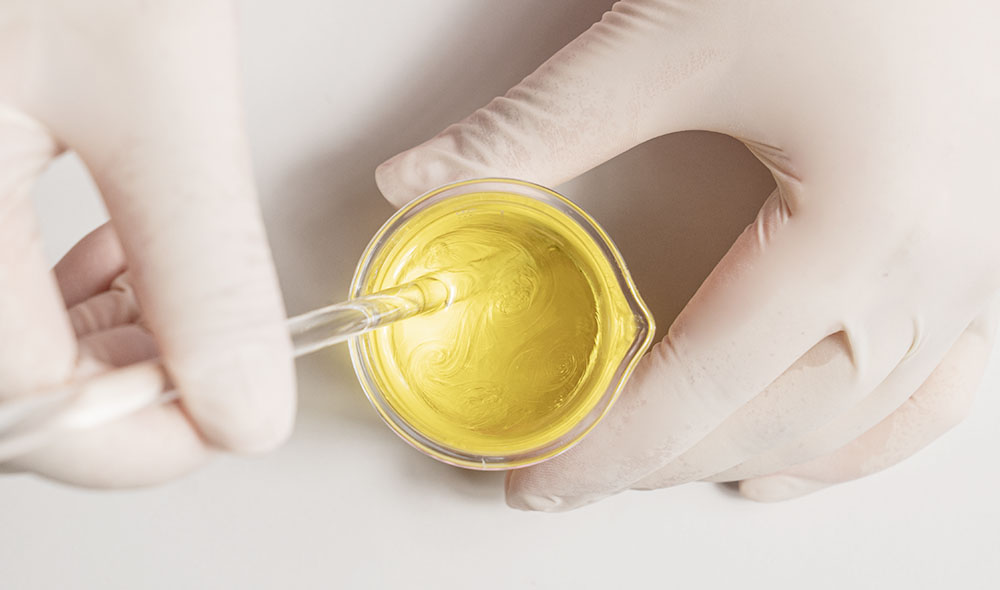
Stir the mixture for about 1 minute using a glass stirrer to ensure the fragrance is well blended.In the freshly made perfume, the alcohol scent may be strong. If you prefer a smoother, more matured,
and stable fragrance, it is recommended to store the perfume in a sealed container for about two weeks for aging. During this time, stirring it once a day will help the fragrance round out, making it smoother and more balanced.
* The perfume base contains various additives, including light-blocking agents and other supporting ingredients. Depending on the fragrance and the passage of time, slight precipitates may form.
These variations are not impurities, but to minimize these variations and achieve a cleaner result, it is recommended to filter the perfume one week after mixing and then transfer it into the perfume bottle.
08
Filling the Perfume into a Glass Bottle
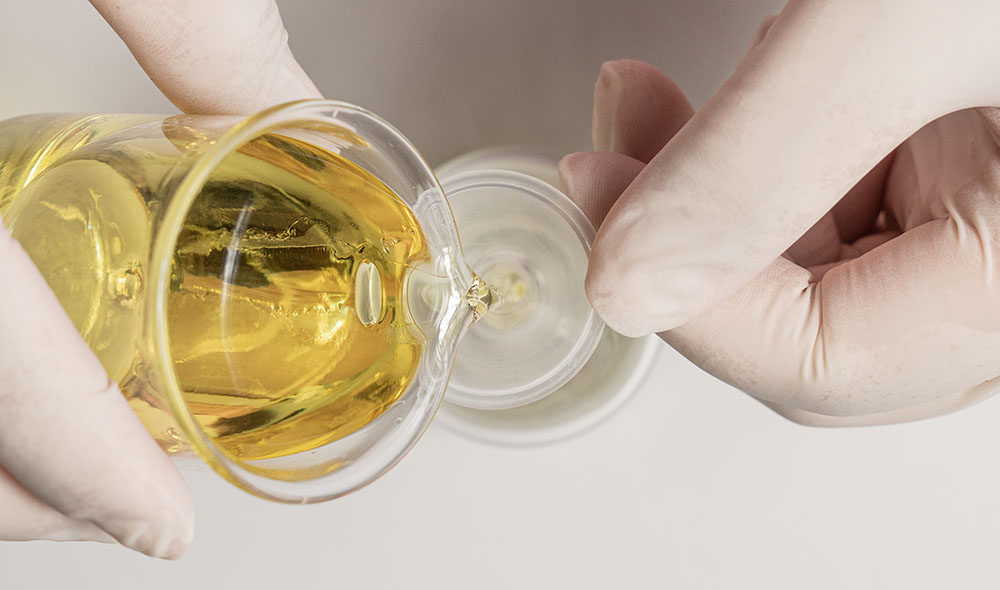
Pour the finished perfume into the bottle using a mini funnel to ensure it is transferred smoothly and without spilling, maintaining stability throughout the process.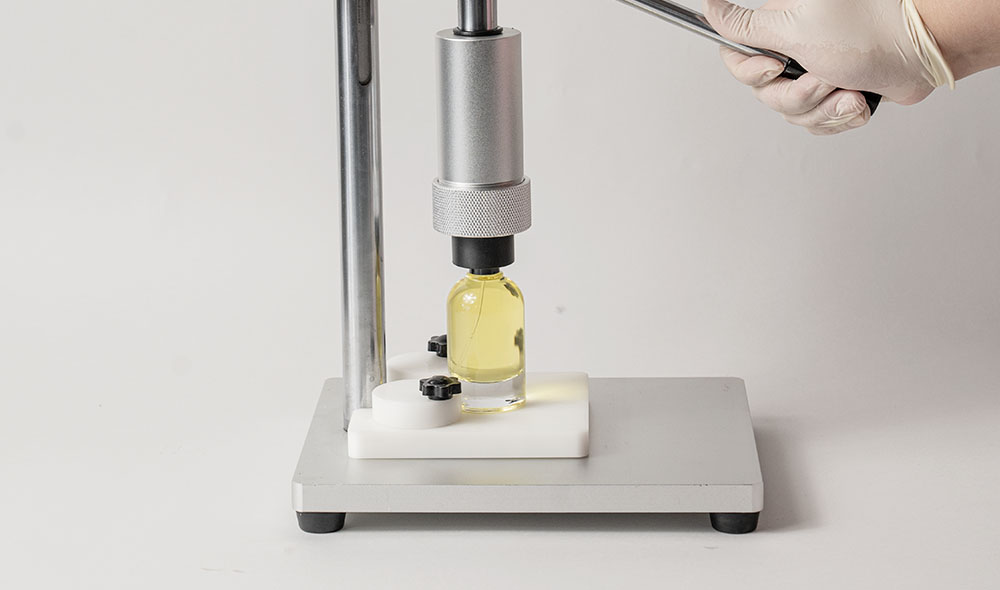
09
Secure and finalize the spray
The spray nozzle is cut diagonally, slightly longer than the bottom, based on the shoulder line of the perfume bottle. When securing the spray nozzle to the perfume bottle, using a "4 in 1 Perfume Bottle Capping Machine" makes it easy to fix in place.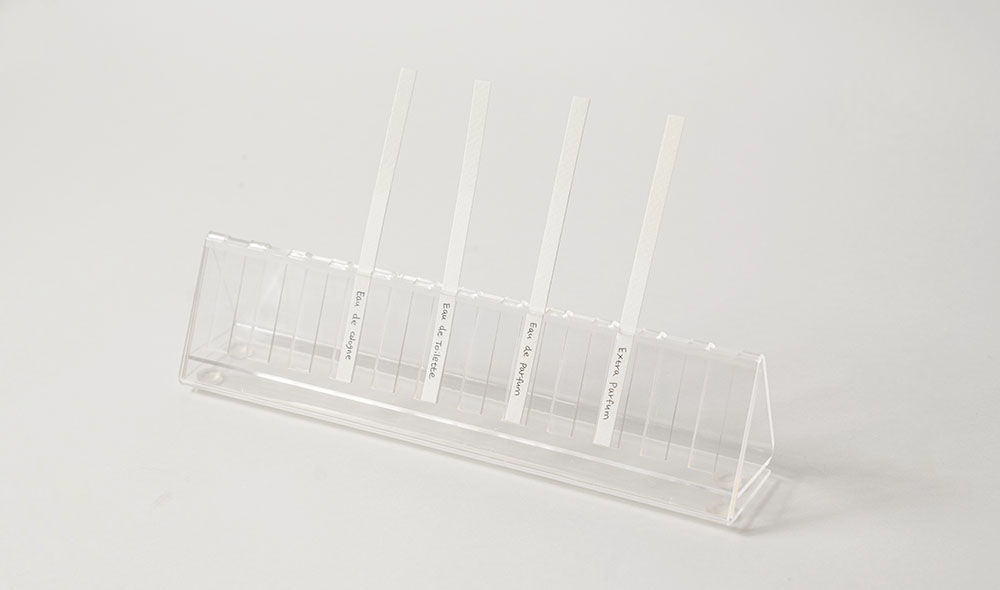
10
Test the scent
Smell perfumes made with the same fragrance at different sillage rates and experience the difference in scent.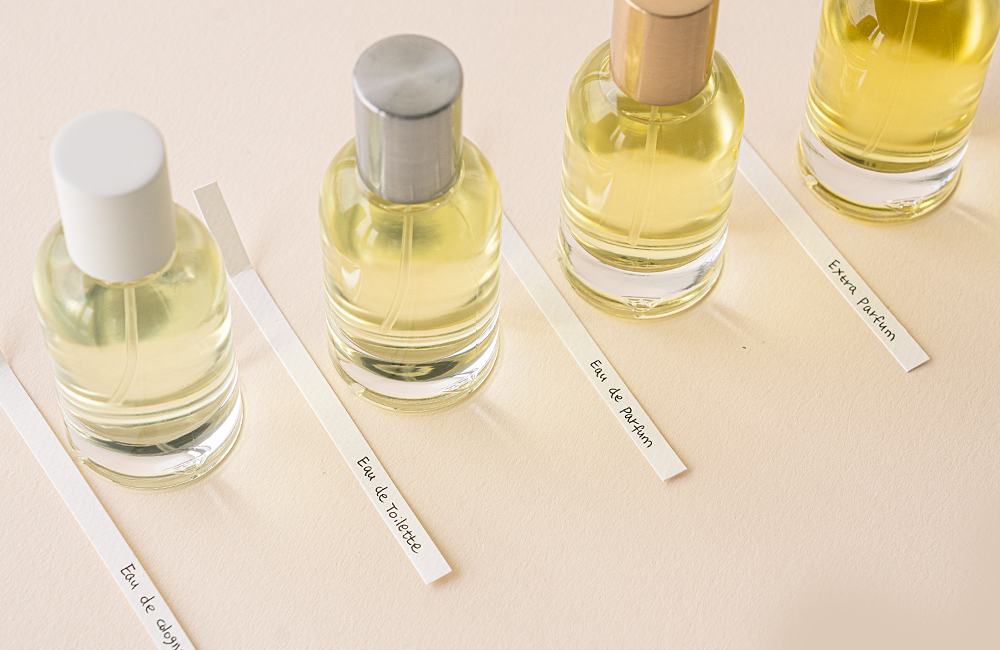
This content is copyrighted by Chromaworks Inc. and may not be used commercially without permission.
DIY Items
Make 1 Eau de Parfum Fragrance
-
3.46 (USD)
Perfume Base (Also for Room Spray)
100ml × 1 EA
-
4.77 (USD)
Clean Cotton (YC Type)
20ml × 1 EA
-
5.31 (USD)
LE BLANC 50
1pc × 1 EA
-
0.54 (USD)
Mini Funnel
10pcs × 1 EA
-
3.77 (USD)
Mini Perfumery Electronic Scale 0.01g/500g
1pc × 1 EA
-
0.92 (USD)
Glass Rod
1pc × 1 EA
-
1.00 (USD)
Fragrance Blotter Strips
100pcs × 1 EA
-
14.54 (USD)
Acrylic Blotter Rack
1pc × 1 EA
-
0.77 (USD)
Disposible Plastic Pipettes 3ml
1 Set × 1 EA
-
3.00 (USD)
Perfumery Ethanol Base 99%
500ml × 1 EA
-
1.38 (USD)
Black Mini Gun Spray 250ml
1pc × 1 EA
-
500.00 (USD)
Perfume Bottle Capping Machine 4-in-1
1 pc × 1 EA
-
1.38 (USD)
Glass Beaker 50ml
1pc × 1 EA
Recommended Items
Make a perfume by note Recommended fragrance oils
-
5.77 (USD)
Rind (A Type)
20ml × 1 EA
-
5.31 (USD)
English Pear & Freesia (JM Type)
20ml × 1 EA
-
5.31 (USD)
Do Son = Tuberose (D type)
20ml × 1 EA
-
5.31 (USD)
Bombshell (DM Type)
20ml × 1 EA
-
4.77 (USD)
Clean Cotton (YC Type)
20ml × 1 EA
-
6.85 (USD)
The Noir 29 (Le Type)
20ml × 1 EA
-
6.85 (USD)
Santal 33 (Le Type)
20ml × 1 EA
Related Products
Related products