

 English



ROSEMARY OIL
Reviews 517 · 4.9
| Country of Origin | Spain |
|---|---|
| Perfumery Note | Middle |
| Extraction Method | Steam Distillation |
| Scent Description | Herbal, Camphoreous, Woody, Aromatic, Minty |
| Aromatherapy Effect | A representative oil known for its effectiveness against respiratory conditions, such as sinusitis and respiratory ailments. |
| Blends well with | Citrus, Lavender, Basil, Peppermint, Cedarwood, Frankincense, Black Pepper, Ginger, Eucalyptus, Tea Tree, Pine |
| ※ The standard stopper and dropper have been changed from Type B (striped) to Type A (plain). |
- 20ml 9.92 (USD)
- 100ml 34.54 (USD)
- 500ml 119.23 (USD)
- 1L 214.62 (USD)
Included items

Rosemary Spanish
Herbal, Camphoraceous, Woody, Aromatic, Minty
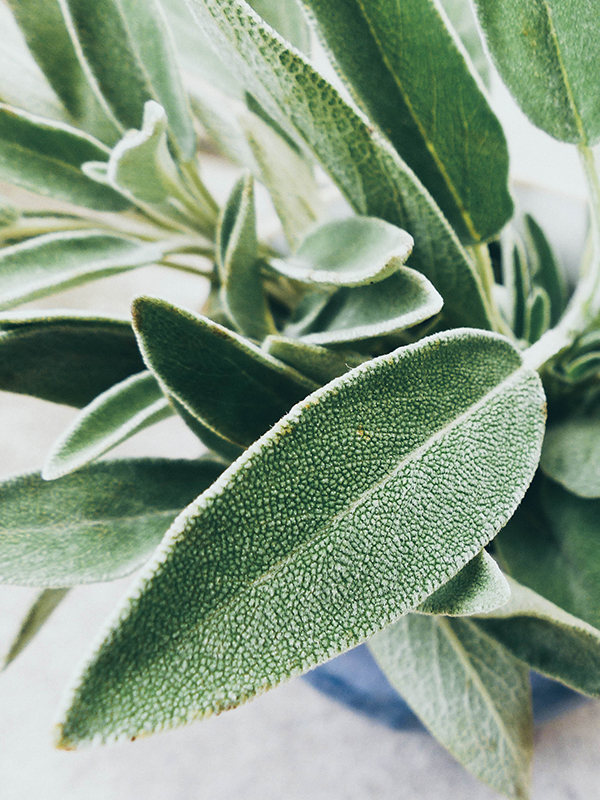
Rosemary leaves have a fragrant and strong herbal aroma,
combining minty notes and woody hints from the stems, along with a powerful camphor scent, creating its distinctive rosemary fragrance.
Widely known for its aromatherapy benefits, it helps with arthritis when used in massages.
It also benefits oily skin, the scalp, acne, and blood circulation.

The characteristics of CW Rosemary Spanish Natural Essential Oil
Rosemary is predominantly grown in the Mediterranean region and has been used since ancient Egypt, particularly as a culinary and medicinal herb. Symbolizing love since ancient times, it was used as a wedding garland in Roman times and continued to be used in religious ceremonies afterward. Rosemary plants grow up to a meter tall when fully matured, featuring slender leaves arranged elegantly along the stems. Even gently brushing your hand against the needle-like green leaves emits a highly aromatic herbal scent. Rosemary blooms flowers throughout the year, with small pale blue to lilac-colored flowers nestled between the branches, sometimes harvested along with the leaves.
For essential oil production, harvested plants are typically dried for a day or two before distillation.
Rosemary essential oil is broadly categorized into Spanish Type and Moroccan Type, based on the composition of the plant's essence. These types differ in aroma and aromatherapy effects. Spanish Type contains more camphor compounds, emitting a more fragrant aromatic herbal scent and is preferred in natural perfumery work. It is known to aid in muscle pain and relieve pain. Moroccan Type, also known as cineole type, has antimicrobial and anti-inflammatory properties, benefiting respiratory health and promoting hair growth through improved blood circulation.
Rosemary Spanish
| CAS Number | 8000-25-7 |
|---|---|
| FEMA Number | 2992 |
| Country of Origin | Spain |
| Content | 100% Natural Essential Oil |
| Form | Liquid |
| Perfumery Note | Middle Note |
| Flash Point | 48℃ |
| Extraction Method | Steam Distillation |
| Major Constituents | 1,8-Cineole, Camphor, Borneol, Bornyl acetate, A-pinene, B-pinene, Camphene |
| Scent Description | Herbal, Camphoraceous, Woody, Aromatic, Minty |
| Aromatherapy Effect | A representative oil known for its effectiveness against respiratory conditions, such as sinusitis and respiratory ailments. |
| Blends Well with | Citrus, Lavender, Basil, Peppermint, Cedarwood, Frankincense, Black Pepper, Ginger, Eucalyptus, Tea Tree, Pine |
Notes
|
When using the sample for safety confirmation of living chemical products (formerly, KC certification), the detection criteria may vary depending on the storage period and environment. Therefore, it is recommended to use the product within 6 months for optimal use.

Related Products
- 50%
- 50%
Category Best






- 70%