White Cognac Oil
Fruity, Winey, Sparkling, Tart
White Cognac Oil is a natural material obtained by distilling wine lees (Lie de Vin), the sediment left behind after winemaking. Rather than being extracted directly from fresh grapes, it is derived from the by-product formed during fermentation and maturation, giving it both the freshness of the fruit and the subtle character of fermented wine.
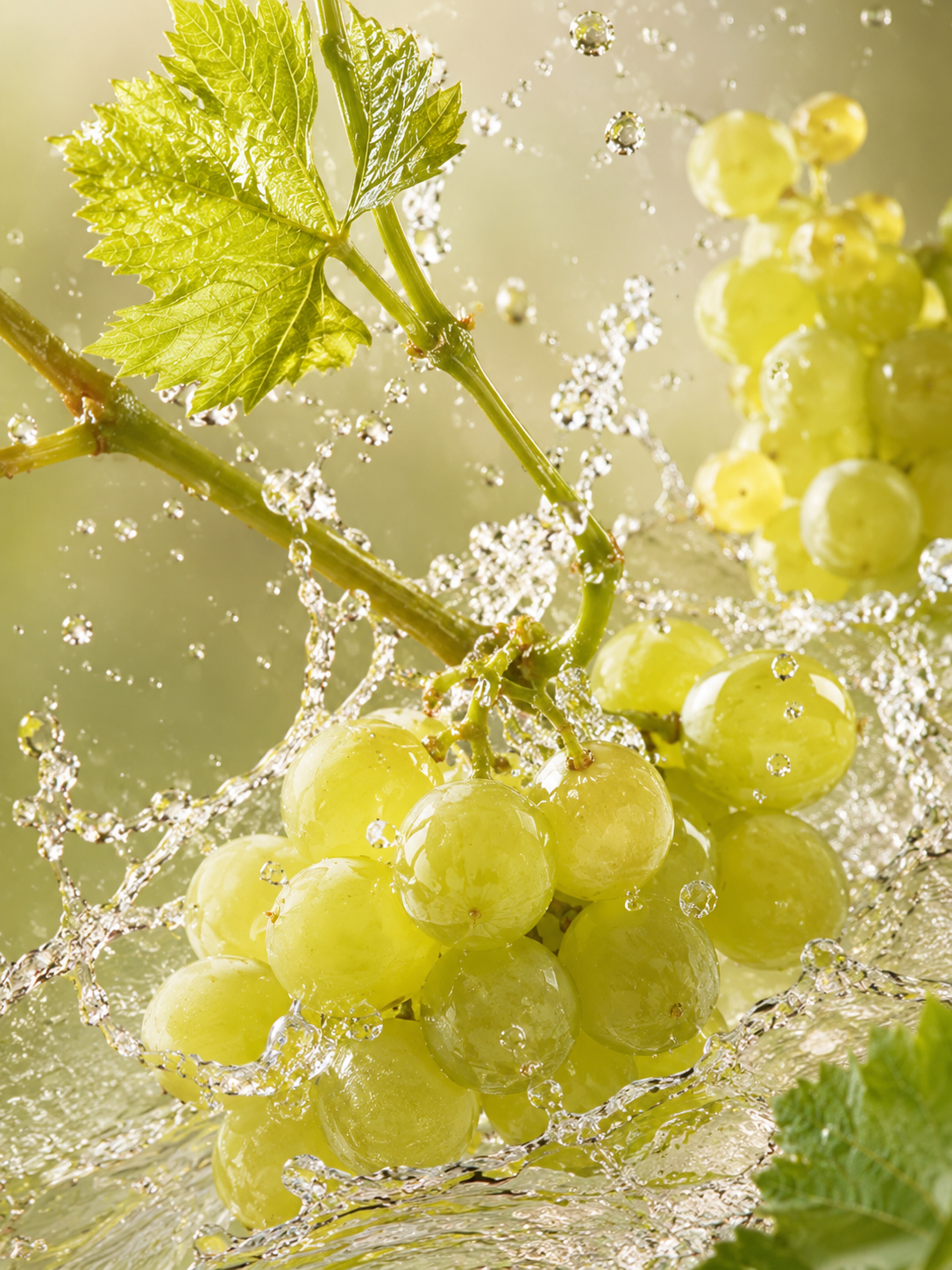
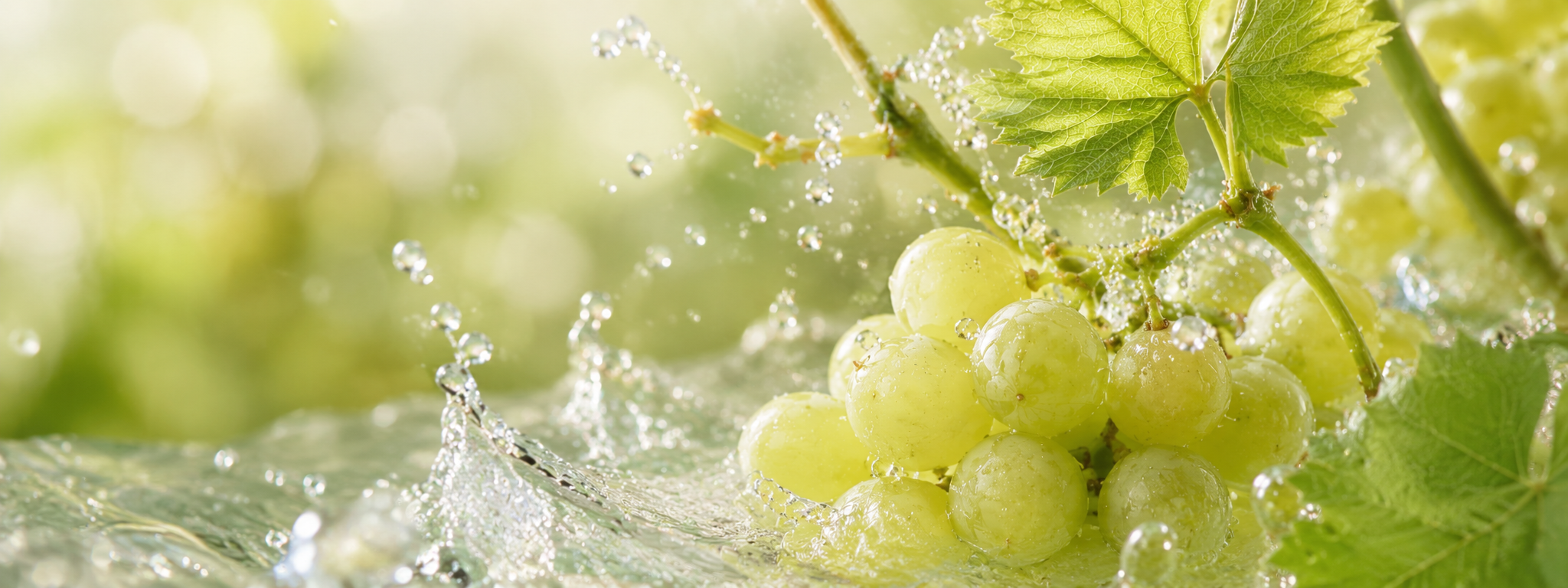
It combines the crisp juiciness of pale green grape skins with the clean aroma of chilled white wine, creating the lively impression of fine bubbles rising through a glass of sparkling wine. Unlike conventional grape notes, which can feel rich and sweet, its character is more transparent, dry, and lightly refreshing.
The opening reveals tart grape skin and delicate fruit tones, followed by a gentle alcoholic warmth and a faint yeasty nuance from the fermentation process. Beneath its bright, sparkling surface lies the distinctive fermented depth of natural wine lees, giving the material a more dimensional texture than a simple fruity note.
Even at low levels, White Cognac Oil brings brightness and movement to a composition. It is especially useful in champagne, white wine, and cocktail accords. In citrus and green-fruity blends, it adds crisp transparency, while in florals it lends a fresh, juice-like vitality. It offers a natural acidity and fermented depth that are difficult to recreate with synthetic grape notes alone.
White Cognac Oil
Vitis vinifera
|
CAS Number
|
68915-86-6 |
|
FEMA Number
|
- |
|
Country of Origin
|
France |
|
Content
|
100% Natural Essential Oil |
|
Form
|
Liquid |
|
Perfumery Note
|
Top Note |
|
Flash Point
|
65°C |
|
Extraction Method
|
Steam Distillation |
|
Major Constituents
|
Ethyl pelargonate, Esters |
|
Scent Description
|
Fruity, Winey, Sparkling, Tart |
|
Aromatherapy Effect
|
Relieves stress, lifts your mood, fights free radicals, and soothes the skin. |
|
Blends well with
|
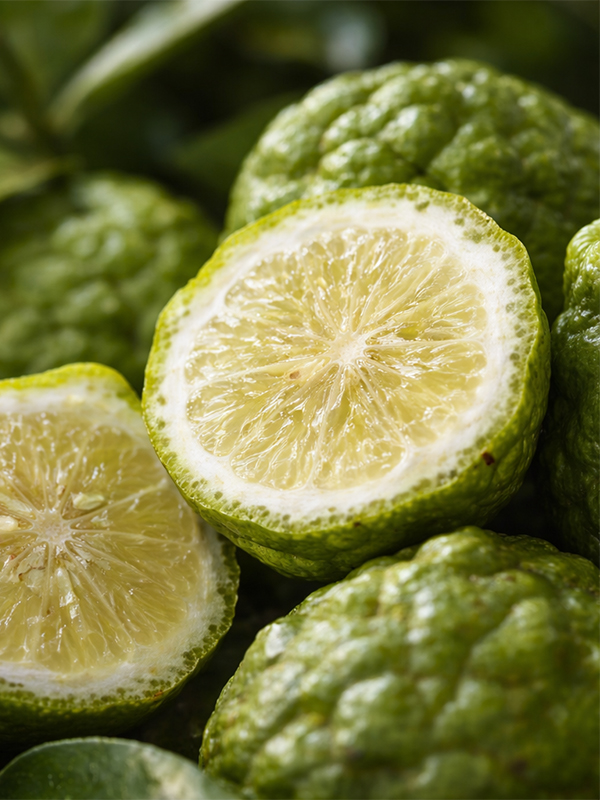
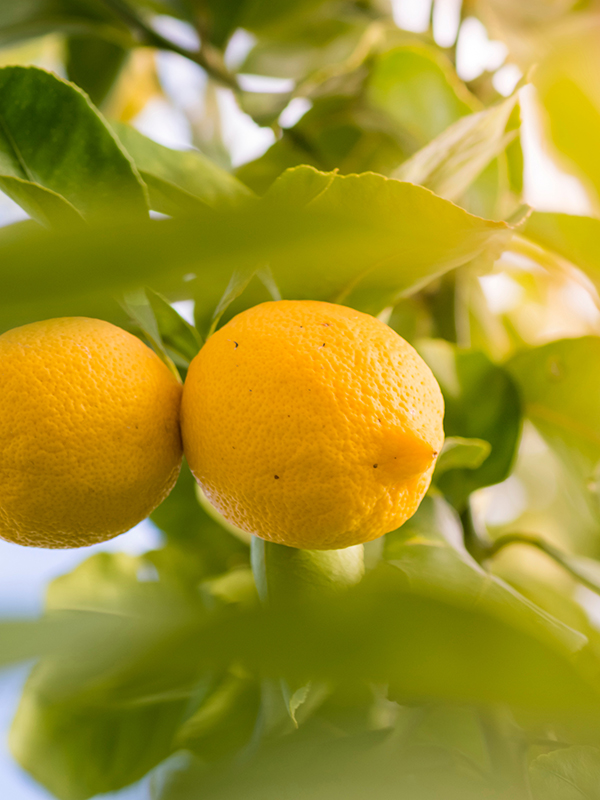
Lemon, Grapefruit, Orange, Sandalwood, Cedarwood, Vanilla, Clove, Frankincense, Benzoin |
Notes
|
IFRA Certificate
|
Go to Documents List
This document lists the maximum allowable usage levels based on safety according to IFRA standards for various finished product purposes. |
|
Cautions
|
When using such a highly concentrated fragrance chemical ingredient, please be mindful of the following:
- It is recommended to handle fragrance chemicals by a professional who understands the characteristics and purposes of the ingredients.
- This is a highly concentrated product at 100%, and individuals sensitive to fragrances are advised not to handle it directly.
- Prolonged contact with weak plastics, paint, wax, or similar materials without chemical resistance may cause damage to those surfaces.
- Products like plaster air fresheners or perfume sachets should not come into direct contact with other items. Use tools such as clips or pouches to maintain an appropriate distance.
- It can induce headaches or eye irritation, depending on the individual.
- After handling, ensure proper ventilation in your workspace.
- Avoid inhalation of the undiluted product and direct skin contact, always keeping the container tightly closed during storage.
- Store out of reach of children and pets.
- Do not use at concentrations higher than recommended for dilution.
**Please ensure you review these guidelines before use, as we are not responsible for any damage or misuse due to negligence.
|
|
Exchange and Return
|
Fragrances, natural essential oils, and perfumery ingredients can be experienced differently by individuals and may not necessarily match your personal preferences. Please note that returns and exchanges are not possible even if the product has not been used.
We do not resell returned products to maintain the purity of our oils.
Our products are formulated to be compatible with candle making bases (perfume bases, diffuser bases, etc.) sold by Candleworks.
However, using our products with bases from other companies may result in unexpected incompatibility, and therefore, we cannot accept exchanges or returns for such cases.
It is recommended to handle fragrance chemicals by a professional who understands the characteristics and purposes of the ingredients.
|
|



 English